Hatha yogaMain focus
Active postures and alignment
- Hold time
- Short, with movement
- Muscle effort
- Active
- Props
- Used for alignment
- How it feels
- Warming and strengthening
Avatar Yoga School's 50 hour Yin yoga teacher training in Rishikesh is a short, residential course that teaches you to practise and teach slow, long-held floor poses with care. You study the poses, the anatomy of joints and connective tissue, sequencing, props and safe teaching, and you leave ready to lead your own Yin class.

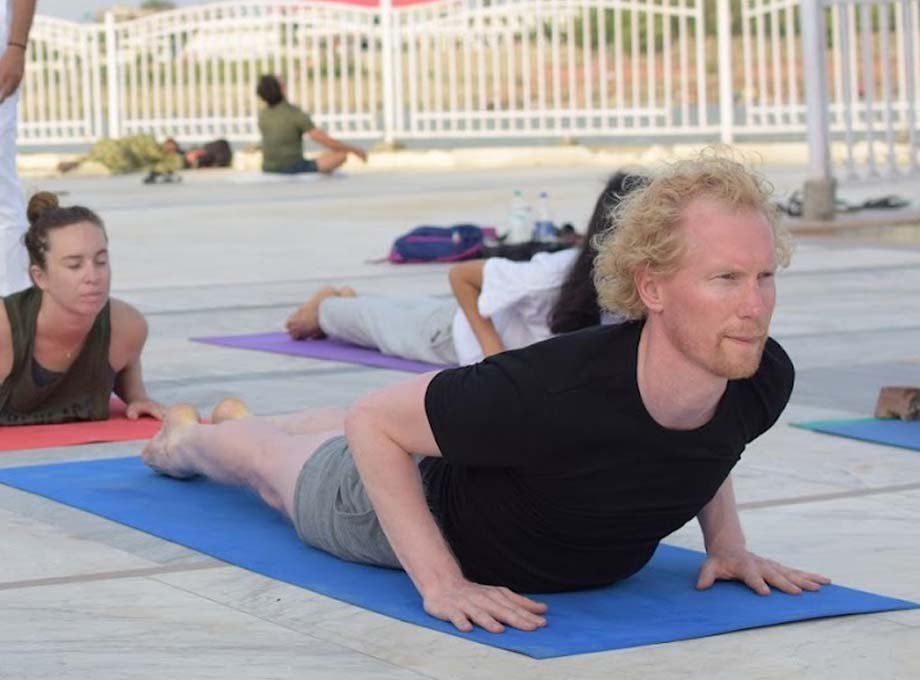

A 50 hour Yin yoga teacher training is a short course that teaches you how to practise and teach Yin yoga, a slow style in which you hold quiet floor poses for several minutes. At Avatar Yoga School in Rishikesh you study the poses, the anatomy behind them, how to sequence a class and how to guide students safely through long, still holds.
Yin yoga is usually described as the quiet counterpart to more active styles. Poses are held, often for three to five minutes or longer, and the muscles stay relaxed, so the stretch is felt more in the joints and connective tissue, such as ligaments and fascia. Props like bolsters, blocks and blankets support the body, and the breath stays slow.
The course covers more than poses. You learn how bones differ from person to person, why one student reaches a position easily and another never will, and how to offer options without judgement. You also study the ideas of yin and yang from Taoist thought and the meridian map from traditional Chinese medicine, presented as a cultural framework and not as medical advice.
Fifty hours is a focused course, not a full teacher training. It suits yoga teachers who want to add Yin to their classes and students who want to understand the style properly. If you also want a full teaching foundation, see the 200 hour yoga teacher training in Rishikesh.
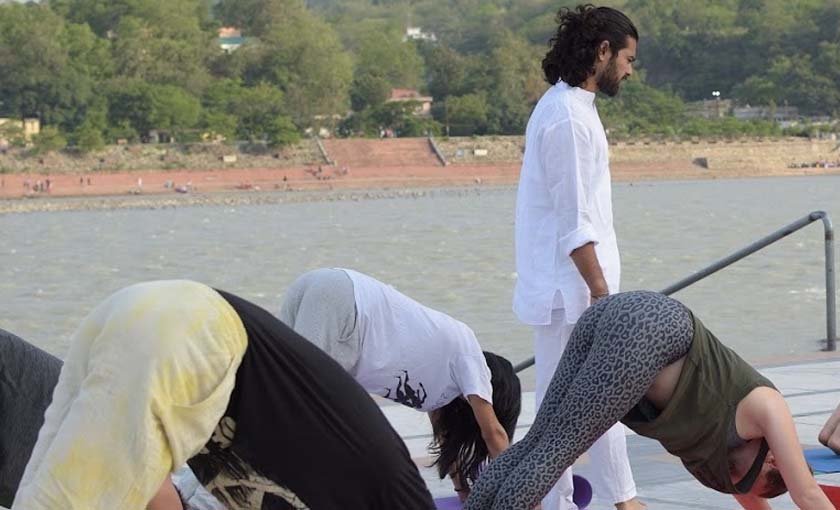
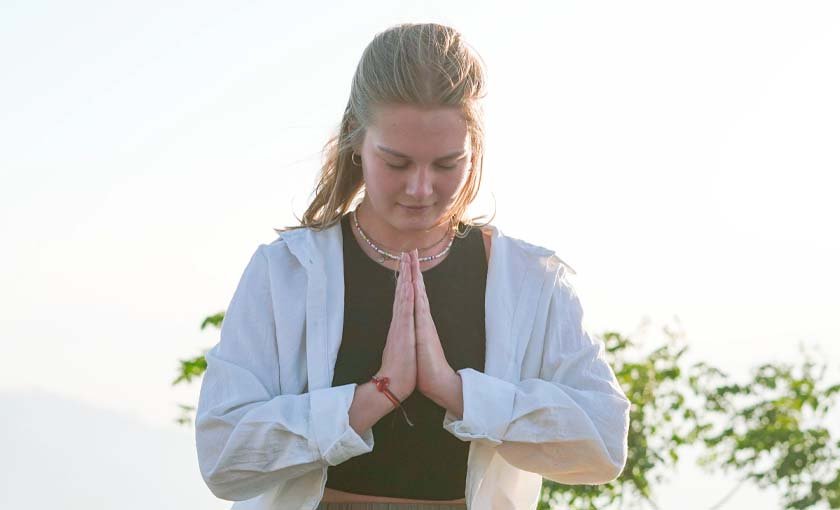
Yang styles such as Hatha use the muscles in active, shorter holds. Yin yoga uses long, quiet holds that reach the joints and connective tissue. Most people benefit from both, which is why many teachers learn Yin after a first teacher training.
Want the active side as well? Read about the 200 hour Hatha yoga teacher training.
The course suits yoga teachers who want to add Yin, students who want to understand the style, and anyone who enjoys slow practice. Ask the team whether you need earlier teacher training.
If you teach active styles, Yin gives your students a quieter class and gives you a new way to teach stillness, props and long holds.
You may practise Yin already and want to know why it works and how it is taught, including the anatomy that most classes skip.
Massage therapists, physiotherapists and coaches often join to understand how long, passive holds feel in the body, and to guide clients with care within their own training.
If you are drawn to quiet, meditative yoga after busy days, the course offers a few focused days of exactly that.
The syllabus covers six areas: Yin poses, anatomy and connective tissue, yin and yang and the meridians, breath and meditation, sequencing, and safe teaching.
Learn the main Yin poses for the hips, spine, legs and shoulders, with their usual names and variations. You practise setting up each pose with props and finding the right amount of intensity for different bodies.
Study joints, ligaments, fascia and bone, and how compression and tension work in a long hold. You learn why range of motion differs between people and how to avoid forcing a shape.
Explore the Taoist idea of yin and yang and the traditional Chinese map of meridians that many Yin teachers use. These ideas are taught as a cultural framework, not as medical claims.
Slow breathing and mindful attention are part of every hold. You practise Yin pranayama and quiet meditation, and learn to guide students through discomfort without drama.
Learn to plan a class around a theme or a body area, choose and order the poses, keep time for each hold and finish with rest. You build several sample classes during the course.
Practise clear, calm cues, offer options and watch for signs that a pose is too much. You also learn who should take extra care, and when to suggest that a student speak to a doctor.
The balance of subjects can change by batch. Ask the team for the current syllabus before you book.
A typical day mixes a gentle morning practice, lectures on anatomy and teaching, and a long Yin practice in the afternoon or evening. Timings shift a little with the batch, so ask for the current timetable.
Ask for the current timetable

Yin yoga is gentle in effort, but long holds still ask a lot of the joints. For most healthy adults it is safe when poses are set up with props and held with attention. Students should aim for a mild stretch and never for sharp pain, numbness or tingling.
Take extra care, and talk to your doctor first, if you are pregnant or have osteoporosis, a joint replacement, a recent injury, hypermobility or high blood pressure. Teachers learn to offer alternatives for these groups and to explain that stopping early is a good choice, not a failure.
In the course you practise how to describe a pose, how to set the right depth and how to check in with students without interrupting the stillness.
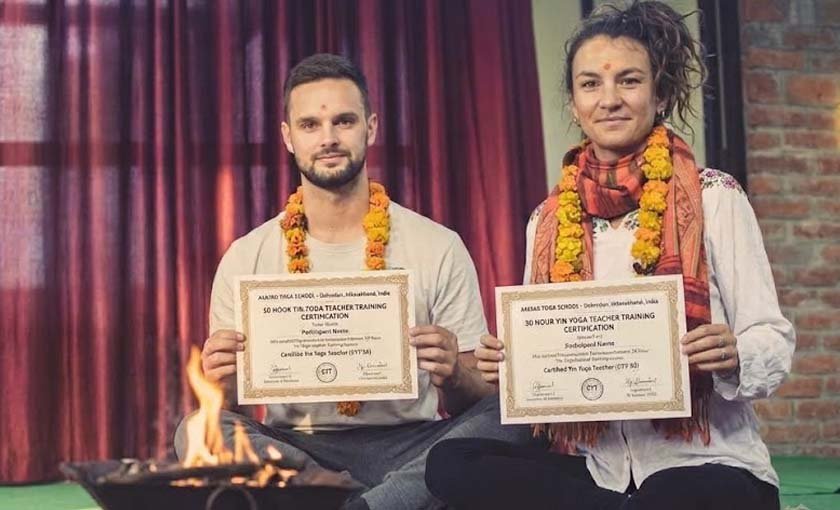
You receive a certificate of completion from Avatar Yoga School for 50 hours of Yin yoga training. A 50 hour course is a specialty or continuing education course, so it does not lead to RYT 200 registration on its own.
If you are a registered yoga teacher, ask the team whether the hours can count as continuing education with Yoga Alliance. That depends on whether the school is registered as a continuing education provider, and it is worth confirming in writing before you pay.
Studios usually care most about your teaching. Plan to teach a few free Yin classes after the course, collect feedback and keep studying with experienced Yin teachers.
After the course you can teach Yin classes, add a Yin section to your existing classes, run workshops and offer small group sessions, within the limits of your training.
Many graduates start with a weekly evening class. Yin suits the end of a working day, and studios often have room for a quiet class.
A short Yin sequence at the end of an active class gives students a slower finish and gives you a gentle way to use what you learned.
A two hour Yin workshop on the hips or the spine is easy to plan and popular in studios and retreats.
Long holds teach patience. Many graduates say their own practice slows down and becomes quieter, which feeds back into their teaching.
Check four things before you book: what the certificate means, how much anatomy and teaching practice the course includes, who teaches Yin and how many students join, and what the fee covers.
Ask exactly what you receive and whether the hours count as continuing education. Be careful with promises that a 50 hour course makes you a registered teacher.
A good course spends real time on anatomy and gives you chances to teach part of a class and receive feedback, not only to lie in poses.
Ask who teaches Yin, how long they have studied it and how many students share the class. Small groups give more time for questions and for adjustments.
Compare what each fee includes, such as props, meals and accommodation, and ask for the list in writing so that nothing surprises you later.
The fee depends on the room you choose. It covers tuition, accommodation, vegetarian meals and course materials, per person for the full course.
These sessions are included in the course fee at no extra cost.
Ask the team for the current fee for your batch. The payment page explains the booking advance and refund terms.
The course fee usually covers tuition, props such as bolsters, blocks and blankets, accommodation, vegetarian meals and your certificate. Flights, visa, insurance and personal expenses are normally extra. Ask for the exact list for your dates.


When you compare prices, look at the full picture. A lower fee that leaves out meals or props can cost more in the end. Ask for the inclusions in writing.
February to April and September to November are the most comfortable months in Rishikesh. A short course fits easily into one season, so choose the weather you like and book two to three months ahead.
| Months | What the weather is like | For training |
|---|---|---|
| February to April | Pleasant days and clear skies as the hills warm up. | Best |
| May to June | Very hot, especially in the afternoon. | Hot |
| July to August | Heavy monsoon rain that can disturb travel. | Rainy |
| September to November | Comfortable days, clear skies and mild mornings. | Best |
| December to January | Cold mornings and evenings. Bring warm layers. | Good with warm clothes |
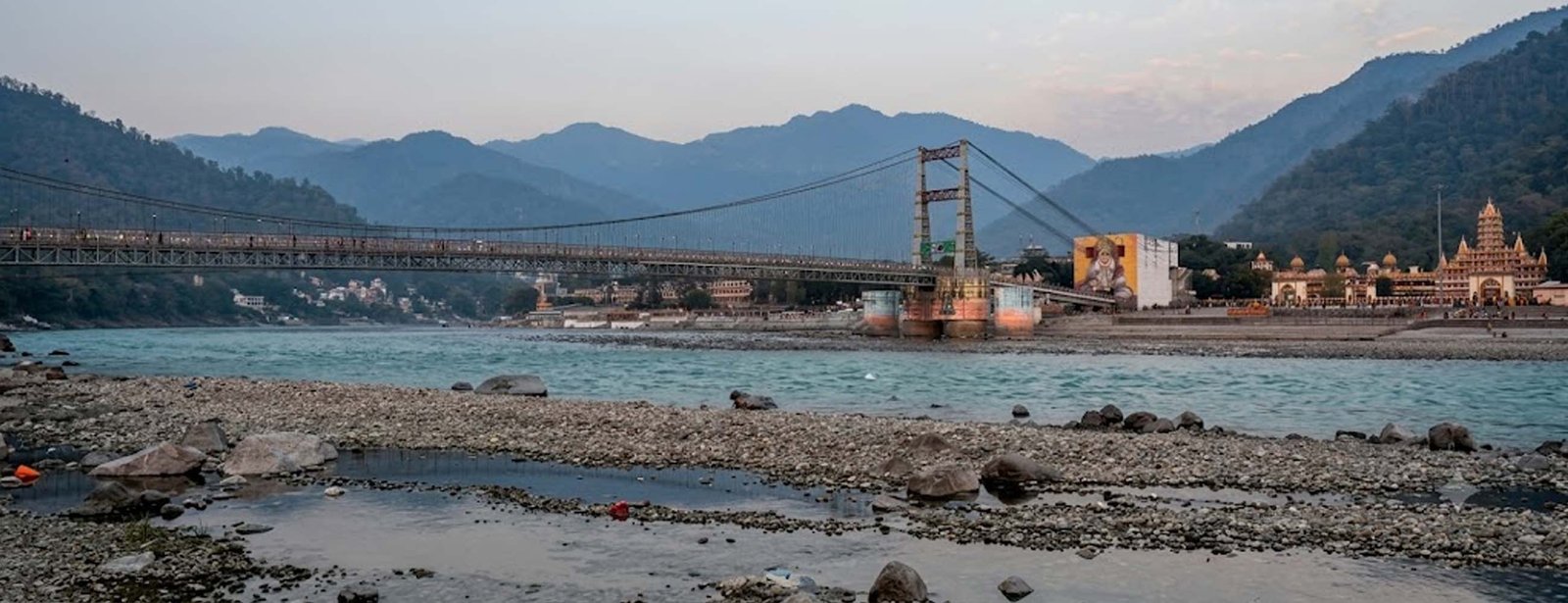
Avatar Yoga School is in the Swargashram area of Rishikesh, near Omkar Cafe. Fly into Dehradun or take a train to Haridwar, then continue by road. To join, send an enquiry, choose a batch and pay the booking advance.
Jolly Grant Airport in Dehradun is the nearest, about 35 km from Rishikesh. Taxis run from the airport to town.
Haridwar railway station is about 25 km away, with regular trains from Delhi and other large cities.
Rishikesh is about 240 km from Delhi, which takes five to six hours by taxi or bus.
Rules and visa categories can change, so confirm the right one for a short course on the official Indian visa portal or with your embassy. A 30 day e-Tourist visa counts from your first arrival and is enough for most short courses.
Sort out your visa and insurance early, practise a little Yin yoga or gentle stretching before you travel and pack soft, comfortable clothes. Bring a light shawl, because the body cools down during long holds.
Tell us your preferred month and your experience. The team will reply with batch dates, the fee and what is included.
Check batch datesWhatsApp usShort, direct answers on eligibility, certificates, safety, fees and travel.
Talk to our team directly. We reply on WhatsApp and phone.
WhatsApp us Call +91 78309 61407