200 Hour Yoga Teacher Training in Rishikesh
AVATAR YOGA SCHOOL

Begin Your
Yoga Journey

Rishikesh, India
LIMITED TIME OFFER
10% OFF

200 Hour Yoga Teacher Training in Rishikesh

Deepen your practice, discover authentic yoga and become a confident yoga teacher in the spiritual heart of Rishikesh.

200 Hour TTC
Yoga Alliance
Rishikesh, India
Limited seats available
Claim 10% OFF Reserve your place today · Terms may apply

300 Hour Yoga Teacher Training In Rishikesh

Join us on our journey towards becoming a certified Yoga Instructor! Incorporate our 300 hour Yoga Teacher Training. Get expert mentorship and transformative knowledge. Also, earn an internationally recognized certificate.

300 Hours Yoga Teacher Training Course

Our 300-hour Yoga Alliance certified teacher training program in Rishikesh is a transformative experience. The 28-day advanced course is designed for students who are already familiar with the basics of yoga. Avatar Yoga School provides a curriculum that is comprehensive and goes far beyond the basics. The advanced yoga practices will ensure that participants have a thorough understanding of the traditional methods. Students can also enhance their learning experience by taking optional Reiki or Sound Healing classes. These courses are available for an extra cost. The sessions can be scheduled to fit into your schedule, and provide a comprehensive educational experience. The program was designed specifically for yoga teachers who completed the 300-hour Yoga Alliance recognized teacher training. This training will help you to improve your knowledge, whether you're a yoga teacher or an experienced practitioner.

Highlight - 300 Hrs Course

Twin Shared Room
$ 799 $999
Private Room
$ 899 $1999
  • Course Name:
    300 Hour Yoga Teacher Training in Rishikesh, India
  • Duration:
    25 Days
  • Language:
    English
  • Module:
    Residential with Meals
  • Level:
    Beginner
  • Class Size:
    15-20 Students
  • Date:
    Starts 1st of every month
  • Certification:
    RYT-300 Yoga Alliance USA
  • Style:
    Multi Style (Hatha & Ashtanga Vinyasa)
Book Now

This course offers 300 hours of instruction, which qualifies graduates to receive RYT 500 certification from Yoga Alliance. We are not only interested in granting certificates but also empowering individuals to help spread yoga's transformative powers and impact lives around the world.

Curriculum - 300 Hours YTT Course

The 300-hour yoga program includes Hatha, Ashtanga, as well as lessons on philosophy, anatomy and teaching methods. Daily practice, meditation and self-discipline will help you develop strength, clarity and balance. This training is ideal for anyone who wants to deepen their yoga practice, whether they want to become a teacher or just improve themselves.

Complete Learning Path of the 300-Hour Yoga Teacher Training Program

You will learn the fundamentals of yoga and advanced techniques in our 300-hour program. Learn Ashtanga and Hatha alignments, breathing, meditation, philosophical, anatomy, and teaching. You will learn to create sequences and make adjustments each week. This program will support your transition from student to instructor, transforming your practice into an enjoyable way of living.

Introduction to Hatha Yoga

Hatha Yoga is the physical branch of yoga that most people in the West recognize: the postures (asanas), the breathing (pranayama), and the mindful movement. But the word Hatha means more than just “gentle yoga for beginners.

In Sanskrit, Ha means “sun” and Tha means “moon.” Hatha is the yoga of balancing opposites:

  • Strength and flexibility
  • Effort and ease
  • Activity and rest
  • The left and right sides of your body
  • Your busy mind and your quiet inner self
Why we practice it:

We practice Hatha Yoga to balance effort and ease, calm the nervous system, and build body awareness. It reduces stress, improves sleep, and teaches us to stay present—without needing flexibility, special beliefs, or a perfect body.

What Makes Hatha Different From Other Yoga Styles?
  • Vinyasa / Flow – Moves quickly, linking breath with constant movement.
  • Hot Yoga – Practiced in a heated room.
  • Ashtanga – A fixed sequence done in the same order every time.
  • Hatha Yoga – Slower, more exploratory. You hold poses longer. You breathe deeply. You learn the shape of each pose before moving to the next. It’s the perfect foundation for any other style.
How to start:

Find a quiet spot, wear comfortable clothes. Sit or stand tall. Take five slow breaths. Then try Cat-Cow, Downward Dog, and a forward fold. End lying down. Ten minutes daily. No mat required. Just begin.

Real‑life benefit:

Less back pain, better sleep, and calmer reactions to stress. You’ll handle traffic jams, deadlines, and difficult conversations with more ease. Your body feels stronger, your mind clearer—without leaving your living room.

Mantra & Mantra Chanting

Think of mantra as a tool for tuning your mind, not as a religious requirement. A mantra can be a word, a phrase, or even a sound that you repeat—silently or aloud—to help you focus and settle into the present moment. It’s like an anchor for your attention.

Why we practice it:

Think of mantra as a tool for tuning your mind, not as a religious requirement. A mantra can be a word, a phrase, or even a sound that you repeat—silently or aloud—to help you focus and settle into the present moment. It’s like an anchor for your attention.

How to start:

Pick a simple, neutral sound (like “Om” or “Hum”) or a short phrase that feels good to you, such as “I am calm” or “Peace begins with me.” Sit comfortably, take a few deep breaths, and begin repeating your mantra at a pace that feels natural. If your mind wanders, gently come back to the sound. That’s it.

Real‑life benefit:

Stuck in traffic? Repeating a mantra can keep you from spiraling into frustration. Need to fall asleep? A soft mental mantra can replace the endless to‑do list running through your head.

Ashtanga Yoga

Ashtanga often gets translated as “eight‑limbed yoga,” but don’t let the term scare you. It’s simply a roadmap for living with more awareness, from how you treat others all the way to deep meditation. The physical poses (asanas) are just one of those eight limbs.

The eight limbs in everyday language:
  • Yamas – How you relate to the world (e.g., honesty, non‑harm, not stealing).
  • Niyamas – How you treat yourself (e.g., cleanliness, contentment, self‑study).
  • Asana – The postures we usually call “yoga”.
  • Pranayama – Breathing techniques.
  • Pratyahara – Turning your senses inward, away from constant distractions.
  • Dharana – Focused concentration on one thing.
  • Dhyana – Meditation without effort (it flows naturally).
  • Samadhi – A deep sense of peace and connection.
Why it matters:

You don’t need to master all eight at once. Most people start with asana and breath work, and the other limbs quietly begin to show up in daily life—like choosing kindness over irritation, or noticing when you’re scrolling on your phone instead of resting.

Pranayama (Breathing Practice)

Pranayama is the art of controlling your life force through breath. In simpler words: breathing exercises that change how you feel. Your breath is the fastest switch you can flip to go from stressed to calm, or from sluggish to alert.

Three beginner‑friendly techniques:
  • Box breathing – Inhale for 4 counts, hold for 4, exhale for 4, hold for 4. Great for focus and anxiety.
  • Alternate nostril breathing – Use your thumb and ring finger to gently close one nostril at a time. Calms the mind before bed or a tough conversation.
  • Victorious breath (Ujjayi) – Slightly constrict the back of your throat so your breath makes a soft ocean sound. Helps you stay present in yoga poses or during a long workday.
No magic, just biology:

Slow, long exhales activate your parasympathetic nervous system (rest‑and‑digest). Faster, stronger inhales can energize you. You can literally change your state in 60 seconds.

Meditation (Dhyana)

Meditation is not about emptying your mind or becoming a different person. It’s about training your attention like a muscle—and then noticing that you’re not your thoughts.

The “no‑pressure” approach:

Sit somewhere comfortable. Close your eyes or soften your gaze. Choose an anchor: your breath, a candle flame, or the feeling of your feet on the floor. When your mind wanders (it will), just say “thinking” and return to your anchor. No judgment, no fighting.

How long?

Start with 3 minutes. Yes, three. Build consistency over duration. Five minutes daily is better than an hour once a month.

What changes:

Over time, you’ll notice that you have thoughts without getting tangled in them. That annoying coworker or past mistake still shows up, but it doesn’t hijack your whole afternoon. You gain space—and that space is freedom.

Yoga Philosophy

This isn’t ancient dogma—it’s practical psychology that happens to be thousands of years old. Yoga philosophy asks questions like: “What makes us suffer?” and “How can we live with more ease?”.

Key ideas without the confusion:
  • The mind is like a lake – When it’s stirred up by worries, you can’t see clearly. Yoga calms the ripples.
  • Avoid unnecessary suffering – Much of our pain comes from resisting what is (e.g., “This shouldn’t be happening”). Acceptance doesn’t mean giving up; it means working with reality instead of fighting it.
  • Your true nature is peaceful – Beneath all the stress and stories, there’s a background of okay‑ness. Yoga helps you feel that.
How to use it:

Next time you feel angry or anxious, pause and ask: “Am I reacting to what’s actually happening, or to a story I’m telling myself?” That one question is yoga philosophy in action.

Anatomy & Physiology

You don’t need a medical degree, but knowing how your body works makes your practice safer and more effective. We focus on what’s relevant to yoga: muscles, joints, breathing mechanics, and the nervous system.

What we cover in friendly terms:
  • Major joints – Hips, shoulders, spine, knees. Which movements are healthy vs. risky.
  • Core muscles – Not just abs; the deep stabilizers that protect your lower back.
  • The diaphragm – How it drives your breath, and why belly breathing is a superpower.
  • Nervous system basics – Sympathetic (fight‑or‑flight) vs. parasympathetic (rest‑and‑digest). Every pose and breath affects these.
Practical takeaway:

You’ll learn why forward folds calm you down (they stimulate the vagus nerve), why standing poses build bone density, and how to adapt poses for different body types and injuries. No fear‑mongering, just useful biomechanics.

Teaching Methodology

Good teaching isn’t about showing off fancy poses. It’s about creating a safe space where people can explore their own bodies and minds. This section is for those who want to share yoga with others.

Core skills:
  • Clear, simple cueing – Instead of “engage your quadriceps,” try “firm your thigh muscles and lift your kneecap.”
  • Sequencing – How to arrange a class so it warms up the body, peaks in a challenging pose or theme, then cools down.
  • Reading the room – Spotting who needs a modification, who’s pushing too hard, and who’s having a great time.
  • Voice and pacing – When to speak, when to be silent, and how to use tone to calm or energize.
  • Hands‑on assists – Respectful, requested, and rooted in anatomy (covered in the next tab).
The golden rule:

Teach to the students in front of you, not to an ideal class. That means offering options for beginners, advanced practitioners, and everyone in between.

Adjustment & Alignment

Adjustments are gentle, hands‑on (or verbal) corrections to help someone find a safer or more effective position. Alignment is the art of stacking your bones so your muscles work efficiently and your joints stay happy.

Verbal adjustments:

“Try moving your front heel a little wider.” “Let your shoulders slide down your back.” Simple, actionable, non‑judgmental.

Physical adjustments (with permission):
  • Light touch guidance – A finger on the shoulder blade to encourage rotation.
  • Supported deepening – Gently pressing on the hips in child’s pose to release the lower back.
  • Safety checks – Making sure knees track over ankles in lunges, or that the neck is neutral in shoulder stand.
Consent & sensitivity:

Always ask before touching. Some students don’t want to be touched at all, and that’s fine. Adjustments are an offer, not a requirement. The goal is empowerment, not correction.

Mudras & Bandhas

Mudras are hand gestures (or whole‑body seals) that direct energy flow. Bandhas are “locks”—subtle muscle contractions that contain and channel energy. Both sound esoteric, but they’re simple bio‑feedback tools.

Common mudras:
  • Chin mudra – Thumb and index finger touching, other fingers extended. Rest hands on knees. Instantly feels grounding.
  • Anjali mudra – Palms together at heart. Centers you before or after class.
  • Gyan mudra – Same as Chin but palms face up. Said to improve focus.
Three main bandhas:
  • Mula bandha (root lock) – A gentle lift of the pelvic floor. Helps with stability and containment.
  • Uddiyana bandha (abdominal lock) – Drawing the lower belly in and up after a full exhale. Not for beginners without guidance.
  • Jalandhara bandha (chin lock) – Tucking the chin slightly in seated meditation or breathing practices.
Why bother?

These subtle actions refine your practice. They’re like fine‑tuning a guitar—the song is the same, but everything sounds clearer.

Shatkarma (Cleansing Techniques)

Shatkarma are traditional purification practices for the body. Think of them as internal hygiene. Modern versions are safe, simple, and surprisingly refreshing.

Most accessible techniques:
  • Neti (nasal cleansing) – Using a neti pot with saline water to rinse the nasal passages. Great for allergies, sinus issues, or just feeling clear‑headed.
  • Trataka (gentle gazing) – Staring softly at a candle flame without blinking until tears form. Cleanses the eyes and improves concentration.
  • Kapalabhati (skull‑shining breath) – Quick, forceful exhales followed by passive inhales. Energizes and clears the frontal sinuses. (Not for pregnancy or high blood pressure.)
  • Dhauti (tongue scraping) – Scraping the tongue each morning removes bacteria and dulls the urge for strong tastes. Simple, cheap, effective.
No extreme rituals:

We don’t teach swallowing long cloths or drinking salt water to vomit. That’s unnecessary and risky. Stick to the gentle, proven methods that fit a modern lifestyle.

Practicum (Teaching Practice)

You can read 100 books about teaching yoga, but you only truly learn by doing. Practicum is where you get behind the mat and lead real people (usually your peers) through a sequence.

What happens:
  • You’ll plan a short class (15‑30 minutes at first).
  • You’ll teach it while others observe and give constructive feedback.
  • You’ll receive notes on your voice, cueing, pacing, safety, and presence.
  • You’ll teach multiple times, each time addressing one specific goal (e.g., “This week I’ll work on clear transitions.”)
Why it’s gold:

It’s terrifying and wonderful. You’ll stumble over words, forget a pose, or realize your timing is off. That’s exactly the point. Every mistake in practicum is a lesson you won’t forget. By the end, you’ll feel ready—not perfect, but capable.

Ayurveda & Yogic Diet

Ayurveda is yoga’s sister science—a system of health based on your unique constitution (called doshas: Vata, Pitta, Kapha). The “yogic diet” part simply means eating in a way that supports clear mind and light body.

Core principles (no dogma):
  • Eat according to your current state – If you feel dry and anxious (Vata), choose warm, moist, grounding foods like soups and root vegetables. If you feel overheated or irritable (Pitta), favor cooling foods like cucumbers, coconut, and sweet fruits. If you feel sluggish and heavy (Kapha), go for lighter, spicier, more energizing meals.
  • Mindful eating – Sit down, chew well, and put away screens. Digestion starts in your mouth and in your nervous system.
  • Not rigid rules – There’s no “one right diet.” Vegetarian is common in yogic traditions, but we respect that every body is different. The question is: “Does this food leave me feeling clear and energized, or foggy and heavy?”
Practical tips:
  • Start your day with warm water and lemon.
  • Eat your largest meal at lunch (when digestion is strongest).
  • Notice how dairy, gluten, sugar, or caffeine affect you—not someone else’s rules.

Evaluation & Certification

This isn’t about passing a scary test. It’s about confirming that you understand the material well enough to practice safely—and to teach if that’s your goal.

How evaluation works (supportive, not stressful):
  • Ongoing feedback – You’ll get verbal and written notes throughout the course. No surprises.
  • Practical assessment – Teach a short sequence. We look for safety, clarity, and authenticity—not perfection.
  • Written component – Basic questions on anatomy, philosophy, and teaching principles. Open‑book and applied, not memorization.
  • Attendance & participation – Being present and engaged matters more than getting every pose “right.”
What certification means:

Upon completion, you’ll receive a certificate (e.g., 300‑hour Yoga Teacher Training, depending on the program). This shows that you’ve met a recognized standard. It allows you to register with Yoga Alliance (if the program is registered) and to teach with confidence.

The real takeaway:

Certification is a milestone, not the end. The best teachers never stop learning. This journey gives you a solid foundation—then you build your unique voice on top of it.

300 Hrs Yoga TTC Upcoming Dates

📅
3 - 26 JAN | 15 JAN - 7 FEB
Open for 2027
📅
3 - 26 FEB | 15 FEB - 10 MAR
Open for 2027
📅
3 - 26 MAR | 15 MAR - 7 APR
Open for 2027
📅
3 - 26 APR | 15 APR - 8 MAY
Open for 2027
📅
3 - 26 MAY | 15 MAY - 7 JUNE
Seats: 8 left
📅
3 - 26 JUNE | 15 JUNE - 8 JULY
Seats: 6 left
📅
3 - 26 JULY | 15 JULY - 7 AUG
Seats: 3 left
📅
3 - 26 AUG | 15 AUG - 7 SEPT
Seats: Available

Note: Our 300 Hour Yoga TTC starting on the 3rd of every month is a fully residential course in Rishikesh. The batch starting on the 15th is a half residential + half online program.

Begin your yoga journey in Rishikesh with Avatar Yoga School, where tradition meets the heart. Our monthly 300-hour TTC welcomes beginners and aspiring teachers alike. Learn Hatha, Ashtanga, meditation, pranayama, philosophy, alignment, and teaching skills from caring Indian guides.

With limited seats, we nurture personal attention, deep growth, and a true yogic community. Come as you are—leave transformed.

300 Hour Yoga TTC Daily Schedule

ACTIVITY TIME
Pranayama06:00 AM – 06:45 AM
Hatha Yoga07:00 AM – 08:30 AM
Breakfast08:30 AM – 09:45 AM
Yoga Philosophy10:00 AM – 11:00 AM
Ayurveda & Anatomy11:15 AM – 12:15 PM
Alignment & Adjustment12:30 PM – 01:30 PM
Lunch01:30 PM – 02:00 PM
Free Time02:00 PM – 04:00 PM
Ashtanga-Vinyasa04:00 PM – 05:30 PM
Tea & Relax05:30 PM – 06:00 PM
Meditation & Mantra06:00 PM – 07:00 PM
Self Study07:00 PM – 07:30 PM
Dinner07:30 PM – 08:30 PM

Accommodation & Food during our 300 Hour Yoga TTC in Rishikesh

Stay with us in simple, cozy rooms shared with fellow trainees, surrounded by Rishikesh’s peaceful energy. Each day begins with herbal tea and ends with wholesome vegetarian meals—prepared with love and served family-style. We honor your practice with clean, safe accommodation and sattvic food that nourishes body and soul. You’ll feel at home, never hungry, and deeply cared for throughout your journey.

Accommodation

Food

Fresh Seasonal Fruits
Enjoy fresh fruits like apples, mango, papaya, and more.
Herbs and Spices
Turmeric, cumin, ginger, and more for health benefits.
Vegetables
Fresh, colorful vegetables cooked lightly for nutrition.
Legumes & Pulses
Rich protein sources like lentils and chickpeas.
Nuts and Seeds
Almonds, chia seeds, and more for essential nutrients.
Whole Grains
Rice, wheat, millet, oats for sustained energy.

Our Location & How to Reach Us

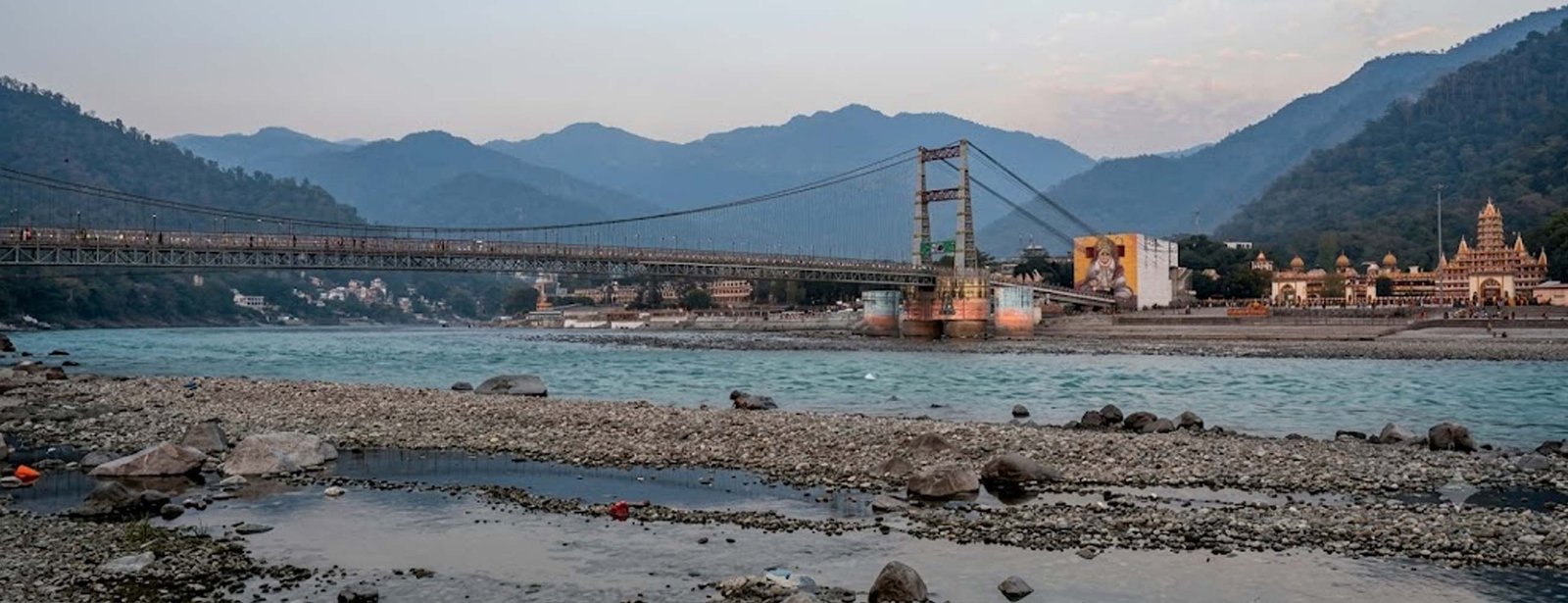
Nestled in the peaceful Yoga Village near Ram Jhula, Avatar Yoga School feels like a home away from home. Picture yourself waking up to the gentle flow of the Ganga, surrounded by Himalayan energy, cozy cafés, ancient temples, and ashrams. Right next to Omkar Cafe, our school is easy to reach from Jolly Grant Airport, Haridwar railway station, or local bus stands. Whether you're traveling from across India or the world, the journey here is smooth and welcoming. Step into a calm, inspiring space where your yoga transformation begins naturally—without stress, just peace.

Our Location

⁠Avatar Yoga School is located in the peaceful yoga village of Jonk, near Ram Jhula in Rishikesh.

  • 📍 Near Omkar Cafe, Swarg Ashram, Jonk, Rishikesh, Uttarakhand 249304.
  • 📞 +91 98765 43210
  • ✉️ info@avataryogaschool.com
Get Directions

How to Reach Us

Image
icon

By Airways

Rishikesh is well connected. Fly to Delhi, then take a domestic flight to Dehradun. From Jolly Grant Airport, book a taxi or request our cab service to reach our school.
Image
Image
icon

By Roadways

Enjoy a scenic 5–6 hour taxi ride from Delhi Airport to Rishikesh, with highway snacks and warm hospitality. Contact us for guidance—we’ll help you plan a smooth, memorable journey.
Image
Image
icon

By Railways

Travel via Indian Railways from Delhi to Haridwar or Yog Nagari Rishikesh station; from there, take a taxi or tuk-tuk. Our school is just 10–12 km away.
Image

Sunday: Every Sunday is a complete day off, giving you the time to rest, recover, and recharge after an intensive week of yoga practice. At Avatar Yoga School, we believe that proper rest is essential for deep learning and transformation during your Yoga Teacher Training in Rishikesh.

Excursions: Excursions are organized every Wednesday after a half day of classes, giving you the perfect opportunity to explore the natural beauty and spiritual essence of Rishikesh. Each week, destinations may vary depending on the weather and availability, ensuring that every experience feels unique and memorable.

These excursions may include a magical sunrise trip to Kunjapuri Temple, high above the clouds, or a visit to the famous Balkuwari Temple, known for its breathtaking valley sunrise views. For those seeking adventure, white water river rafting (available outside the monsoon season) adds an exciting touch to your journey.

Other destinations may include the serene Neer Waterfall, the sacred Sage Vashistha Cave, and many more hidden gems around Rishikesh.

Extracurricular Activities: During the training, you'll also get to experience a few Extracurricular activities such as Bollywood Dance class, Kirtan and Sound Healing Session etc.

Closing ceremony and graduation: After this exciting roller coaster ride full of life and experiences, We reflect on our month-long journey together and celebrate the certification of our new yogis, recognized by the Yoga Alliance USA.

Check In
Start Date:
1st of the month
Time:
10:00 - 18:00 IST
Opening Ceremony
Date:
2nd of the month
Time:
11:00 - 12:00 PM IST
Certification Ceremony
Date:
24th of the month
Time:
11:00 - 12:00 PM IST
Check Out
Date:
25th of the month
Time:
11:00 AM IST

Reasons to Enroll in a 300 Hour Yoga TTC in Rishikesh

You can explore the deeper aspects of yoga with a 300-hour Yoga teacher training in Rishikesh. Yoga philosophy, teaching methods, advanced yoga poses and breathing techniques will be taught. You will gain confidence and self-awareness as well as the ability to teach. This journey, set against the serene backdrop of the Himalayas with Avatar Yoga School's skilled instructors leading you through the experience will support your personal development and help you achieve balance in your life.

Yoga Alliance Certification

Become a globally certified yoga teacher and start your teaching journey anywhere in the world.

Mind & Body Transformation

Experience physical strength, emotional balance, and mental clarity through daily yoga practice.

Traditional Yogic Wisdom

Learn authentic Hatha and Ashtanga yoga rooted in ancient Indian philosophy and teachings.

Global Yoga Community

Connect and grow with students from around the world in a supportive yogic environment.

Confidence in Teaching

Develop strong teaching skills with practical sessions, adjustments, and real class experience.

Spiritual Rishikesh Experience

Immerse yourself in peaceful surroundings near the Himalayas and the sacred Ganga river.

15+

Experience
Image
Image

Why Choose Rishikesh for Your 300 Hour Yoga Teacher Training?

Experience authentic yoga learning in the heart of Rishikesh with expert guidance and a truly transformative environment.
  • Experienced & Certified Yoga Teachers
  • Authentic Traditional Yoga Training
  • Yoga Alliance Certified Courses
  • Affordable | High-Quality Training
  • Himalayan Location
  • Supportive Global Community
  • Small Groups for Personal Attention
  • Multi-Style Yoga Training
Image

A Day in Our 300 Hour Yoga Teacher Training

Wake up to sunrise yoga by the Ganges, then dive into philosophy that brings ancient wisdom to life. Master challenging postures with hands-on guidance, find stillness in meditation, and practice teaching real students. Learn safe alignment, enjoy wholesome vegetarian meals, and share stories with fellow travelers. By the end, you won’t just know yoga—you’ll live it. Come to Rishikesh, and turn your passion into a career that truly matters.
06:30 AM - 07:30 AM
Hatha Yoga
07:45 AM - 08:45 AM
Pranayama
09:00 AM - 10:00 AM
Breakfast
10:00 AM - 11:00 AM
Yoga Philosophy
11:00 AM - 11:45 AM
Yoga Anatomy

Daily Schedule for 300 hrs YTTC

A well-structured daily routine forms the backbone of yoga courses, especially intensive programs like the 300 hour Yoga Teacher Training (YTT). This carefully organized schedule ensures effective learning, fosters discipline, and helps students seamlessly incorporate yogic principles into their daily lives.

By maintaining a balanced schedule, students stay refreshed, energized, and focused throughout the day.

Weekly Schedule: Monday to Saturday

Wednesday: Half Day

join-200-hrs-yytc-course-in-rishikesh
Note:- Yin Yoga/Restorative Yoga Once a week
12:00 PM - 01:00 PM
Alignment & Adjustment / Teaching Methodology
01:00 PM - 02:00 PM
Lunch
04:15 PM - 05:45 PM
Ashtanga Vinyasa
06:00 PM - 07:00 PM
Meditation
07:00 PM - 08:00 PM
Dinner
Note:- We might adjust the schedule as needed. Thanks for understanding.

Included & Not Included in the 300 Hour Yoga Teacher Training

We lay it all out so there are no unknowns. You’ll see every module, every sutra we explore, exactly what you’ll practice each week. That honesty is how trust takes root. When nothing is hidden, your heart can exhale and say yes—not from pressure, but because you finally feel seen, truly safe, and completely at home in your decision.

Yoga Alliance Certified
Yoga Teacher Training
Authentic Yogic Lifestyle

Live, study, practice, and transform yourself in the spiritual capital of yoga.

🎓

Yoga Alliance Certification

This is the one tangible outcome that opens doors worldwide. Upon completing the course, you'll hold an internationally recognized 300-Hour Yoga Teacher Training certificate, allowing you to register with Yoga Alliance and start teaching wherever you feel called.

🧘

Comprehensive Yoga Training

The foundation of everything. Through daily Hatha and Ashtanga practice, personal alignment correction, posture breakdowns, and sequencing work, you’ll gradually build the skill and inner confidence to guide others safely and authentically.

🤝

Teaching Practice Sessions

Knowledge means little without the confidence to share it. These regular practice sessions – group teaching, posture demos, and supportive feedback – gently pull you out of your comfort zone and help you find your authentic voice as a teacher.

🧑‍🏫

Experienced Yoga Teachers

Your guides make all the difference. You'll learn from dedicated Indian teachers who carry the tradition in their bones, blending ancient yogic wisdom with a modern, approachable teaching style that makes every session rich, personal, and deeply transformative.

🦴

Anatomy & Physiology

Teaching safely starts here. Understanding the body's muscles, joints, and breath mechanics helps you prevent injuries and adapt postures intelligently. This knowledge doesn't just make you a better teacher – it completely changes how you experience your own practice.

Optional Add-ons
Travel Expenses
Travel & Personal Expenses

Some optional services and personal expenses remain separate from the course package.

✈️

Airfare & Travel Expenses

Getting here is in your hands. All international and domestic flights, taxi fares, and visa charges are separate from the course fee, so you can plan your journey exactly as you like.

🩺

Medical & Travel Insurance

Your wellbeing matters too much to leave to chance. You'll need to arrange your own health and travel insurance before arriving, so you can settle into the training with a quiet, protected mind.

🧺

Personal Expenses

Life's little extras stay yours. Things like laundry, toiletries, shopping, or any private activities outside the scheduled program are taken care of by you, keeping the course fee focused purely on the training.

🚕

Airport Pickup (Optional)

If you'd like the ease of being collected, an airport pickup can be arranged. It isn't automatically included in the fee, but with a small additional cost, we can make sure a friendly face is waiting when you land.

🛏️

Private Room Upgrade Charges

Your comfortable accommodation is covered in the standard package. Should you want a little extra privacy, a deluxe room, or air conditioning, those upgrades are available for a separate, modest charge.

Certification & Yoga Alliance – 300 Hour Yoga TTC

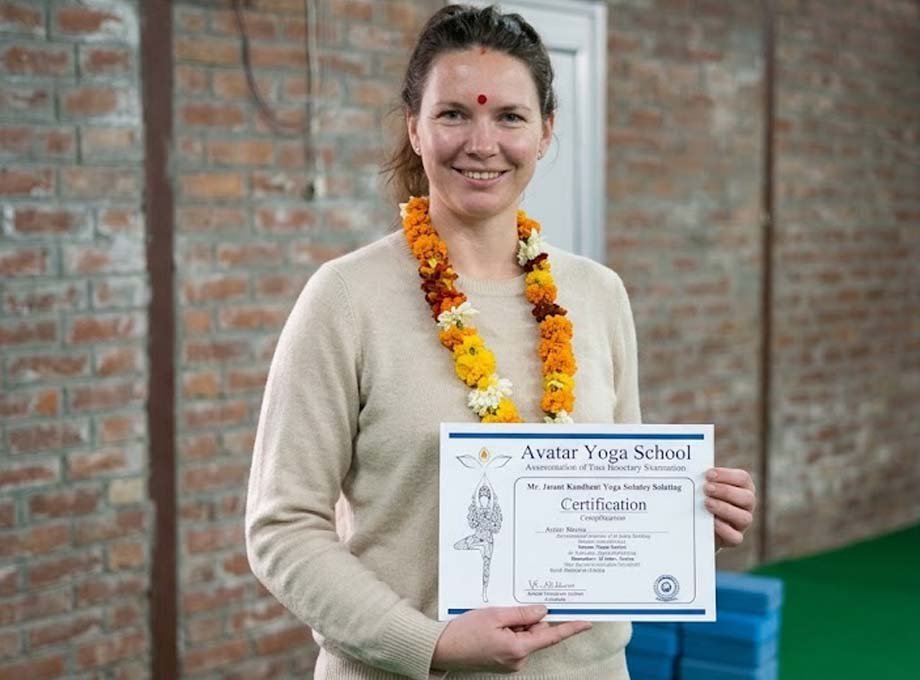
Once you finish the 300-hour training, you’ll walk away with a globally recognized certificate—so you can start teaching professionally anywhere. We’re fully accredited by Yoga Alliance, meaning your training covers everything that matters: asana, teaching skills, philosophy, anatomy, breathwork, and meditation.

This isn't just a certificate. It reflects the hours you showed up, the discipline you built, and the inner shifts no one saw. More than a qualification, it's a quiet reminder of your dedication and how deeply yoga has transformed you. Your journey, honored.

Secure Your Spot – Upcoming Yoga Training Dates

Course Date 4 Sharing Room 3 Sharing Room 2 Sharing Room Private Room Book Now
2st To 22th Jan 2026
Fully Booked
$649 $865 $799 $945 $999 $1122 $1199 $1399 Book Now
2st To 22th Feb 2026
1 Seat Left
$649 $865 $799 $945 $999 $1122 $1199 $1399 Book Now
2st To 22th Mar 2026
1 Seat Left
$649 $865 $799 $945 $999 $1122 $1199 $1399 Book Now
2st To 22th May 2026
1 Seat Left
$649 $865 $799 $945 $999 $1122 $1199 $1399 Book Now
2st To 22th Jun 2026
2 Seats Left
$649 $865 $799 $945 $999 $1122 $1199 $1399 Book Now
2st To 22th Jul 2026
1 Seat Left
$649 $865 $799 $945 $999 $1122 $1199 $1399 Book Now
2st To 22th Aug 2026
1 Seat Left
$649 $865 $799 $945 $999 $1122 $1199 $1399 Book Now
2st To 22th Sep 2026
1 Seat Left
$649 $865 $799 $945 $999 $1122 $1199 $1399 Book Now
2st To 22th Oct 2026
1 Seat Left
$649 $865 $799 $945 $999 $1122 $1199 $1399 Book Now
2st To 22th Nov 2026
1 Seat Left
$649 $865 $799 $945 $999 $1122 $1199 $1399 Book Now
2st To 22th Dec 2026
1 Seat Left
$649 $865 $799 $945 $999 $1122 $1199 $1399 Book Now

Your Journey After Completing the 300 Hour Yoga TTC

Let’s be real—signing up for a 300-hour yoga teacher training often starts with a simple goal: get certified. But ask anyone who’s been through it, and they’ll tell you the certificate is just a lovely bonus. The real magic is the journey itself. It’s a rare invitation to step away from the noise of daily life and truly come home to yourself.

Finding the Real Yoga

If you think yoga is only touching your toes or doing a handstand, guess again. The physical side is tough, but breath, meditation, and philosophy take you deeper. Yoga shifts from exercise to mindful daily living.

The Shift Within You

Roll out your mat daily, shed the tightness and worn patterns. You’ll find a steady calm, quiet pride, and real emotional footing. You’re not becoming someone else—just remembering the person you already are.

A Sanctuary of Calm

When your practice blends into daily life, a quiet peace arrives. The mind stills. You feel your body, your breath, that familiar inner voice again. Yoga is no longer something you do—it simply becomes the way you live.

Strength, Inside and Out

Your body shifts—you feel open, stronger, truly healthier. But the real gift is the mental clarity that creeps in. Those quiet mornings of breathwork become lifelong tools for stress and calm focus.
Your People, Your Tribe

There’s something profoundly beautiful about sitting in a room with strangers who quickly become family. You share the laughter, the sore muscles, and the breakthroughs. These friendships, formed through vulnerability and a shared love for growth, are the kind that stay in your heart for a lifetime.

Ready to Guide

It feels daunting at first—the idea of standing in front of a class. But gently, with practice, the skills click into place. You learn how to sequence a class, offer safe adjustments, and find your own voice as a teacher. You leave not just with the ability to guide others, but with the genuine confidence to do so.

Seeing Life Differently

Perhaps the truest reward is the new lens you wear when you go home. Little things don’t rattle you as much. Gratitude feels more accessible. You learn to lead with patience and self-compassion, living with a sense of purpose and authenticity that wasn’t quite there before.

The globally recognized certificate you earn at the end is wonderful—it opens doors. But the quiet transformation you feel within? That’s the piece that stays with you forever.

Certified Yoga Experts

Meet Our Spiritual Yoga Gurus

What they say?

Yoga Teacher Training FAQs

Frequently Asked Questions About Yoga Teacher Training in Rishikesh

Find answers to the most common questions about our Yoga Alliance certified yoga teacher training courses in Rishikesh, India.

Rishikesh has earned the nickname “Yoga Capital of the World,” and honestly, it’s easy to see why. There’s something special about this place—its spiritual energy runs deep, it’s tucked into a peaceful corner of the Himalayas, and you can really feel the authentic yogic culture in the air. When you roll out your mat right by the holy Ganga River, yoga stops feeling like just a workout. It becomes more of an experience—calm, meaningful, and alive. That’s why so many people choose to do their Yoga Teacher Training in Rishikesh. They get to learn real, traditional yoga from wise Indian teachers who’ve lived it, all while embracing a simple, disciplined lifestyle. And being surrounded by nature and spirituality every single day? That just changes you.

If you're thinking about doing a Yoga Teacher Training in Rishikesh, here’s what it typically looks like. You’ll dive into Hatha and Ashtanga Yoga, along with Pranayama (breathwork), meditation, yoga philosophy, anatomy, alignment, teaching methods, and even some mantra chanting. Most schools take care of the little things too—like your accommodation, simple sattvic (vegetarian) meals, study materials, and sometimes even local excursions. Plus, you get Yoga Alliance certification at the end. The whole course is really designed to help you grow your own practice while also learning how to teach others in a genuine, confident way.

Absolutely—if you finish a Yoga Alliance certified teacher training in Rishikesh, you’ll be eligible to register as a certified yoga teacher anywhere in the world. That means you can go on to teach at yoga studios, retreats, wellness centers, gyms, or even online, no matter where you are. Plus, having that certification gives you a real boost in credibility and helps you be taken seriously as a professional in the yoga world.

Yeah, totally. A lot of people who sign up for Yoga Teacher Training in Rishikesh are either beginners or somewhere in the middle—they’re not advanced yogis or anything. The program is designed to take things step by step, so you gradually build up your flexibility, strength, breathing, alignment, and confidence along the way. What really counts is showing up with dedication, staying open to learning, and being willing to embrace the yogic lifestyle while you’re there.

Most yoga teacher training courses in Rishikesh focus on traditional styles like Hatha Yoga and Ashtanga Yoga. That said, a number of schools also throw in other practices such as Vinyasa Flow, Yin Yoga, Kundalini Yoga, along with meditation and yogic cleansing techniques. Hatha is really about getting the alignment right and building a stable foundation, while Ashtanga pushes you more toward strength, discipline, and building up your endurance.

A standard 300-hour yoga teacher training in Rishikesh usually takes about 20 to 22 days, though it can vary a bit depending on the school’s schedule. Most days start early—like really early. You’ll typically begin your morning with meditation and asana practice while it’s still quiet outside. Then the rest of the day fills up with philosophy talks, anatomy classes, pranayama, and plenty of time practicing how to actually teach. It’s a full-on experience, but that’s kind of the point.

When you come for the Yoga Teacher Training in Rishikesh, pack things that’ll actually make your stay easier and more comfortable. Think cozy yoga clothes you can move in easily, a reusable water bottle to stay hydrated, your basic toiletries, and any personal medicines you might need. Don’t forget a notebook just for your yoga learnings, some light winter wear (yes, Rishikesh can get chilly!), and a sturdy pair of walking shoes. Most yoga schools will set you up with a yoga mat and study materials, so no worries there. But if you have your own mat that you're already used to, bringing it along can make your practice feel a lot more like home.

Yes, most yoga teacher training schools in Rishikesh include accommodation as part of their program. You can usually choose between a private room or a shared one with other students. They also serve three vegetarian meals a day, and the food is generally sattvic—which basically means it’s clean, light, and made to keep both your body and mind feeling good. Think fresh veggies, wholesome grains, easy-to-digest dishes, and no caffeine or heavy spices. The places where you stay are typically quiet, close to nature, and just a short walk from the yoga hall. So, you get a peaceful, simple space to rest and recharge after a long day of practice.

Completing a yoga teacher training in Rishikesh isn’t just about getting a certificate—it’s the kind of experience that stays with you long after you roll up your mat. You’ll notice your body getting stronger and more flexible, sure, but what really catches you off guard is how much it changes the way you think and feel. Your mind starts to settle. Your emotions don’t swing as wildly. You actually look forward to getting up early and sticking to a routine—not because you have to, but because it feels right. Beyond all the poses and philosophy, you learn what it really means to live with a yogic mindset. The meditation and breathwork stop being just “techniques” and become things you genuinely reach for during stressful moments. And the spiritual awareness? It doesn’t feel preachy or forced. It just creeps in quietly, making you more present, more grateful, more you. Most people who go through this training will tell you it’s life-changing—not in a dramatic, movie-kind-of-way, but in the small, everyday shifts. You start trusting yourself more. Off the mat, you hold your head a little higher. On the mat, you stop judging every little wobble. And somehow, that confidence spills into everything else you do.

When choosing a yoga school in Rishikesh, look for Yoga Alliance registration—it helps with teaching abroad later. Focus on experienced, kind teachers, a well-rounded curriculum (poses, philosophy, anatomy), and honest student reviews. Smaller class sizes mean more personal attention. Check accommodation: clean, quiet, with decent food. Ultimately, trust the vibe. A great teacher training isn’t just a certificate—it’s real guidance, supportive energy, and a peaceful space where you leave feeling genuinely transformed.